-15%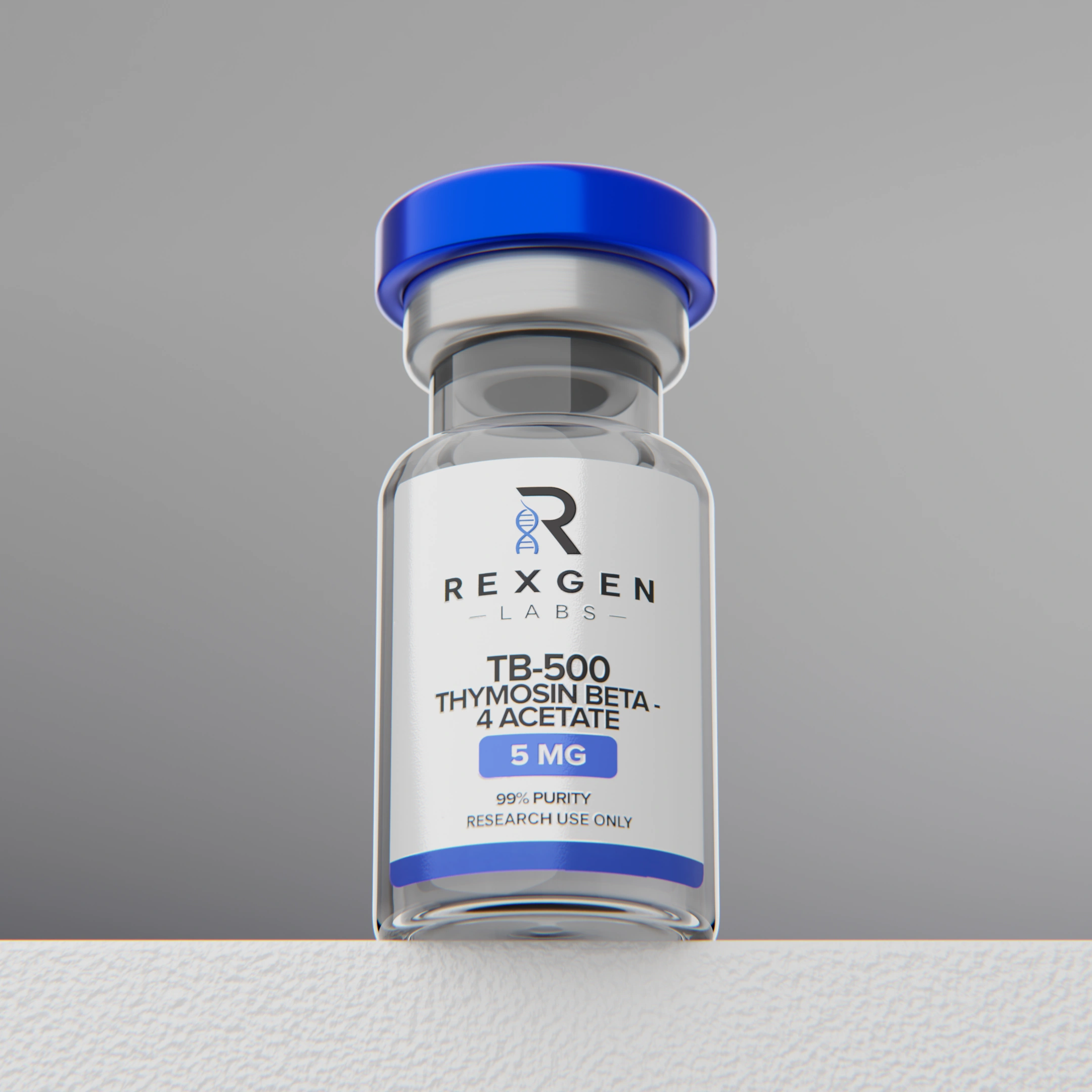
TB-500 (Thymosin B-4)
$63.99$74.99

Bulk Discount Available
Save on multi-vial purchases
Choose Quantity
Vial quantity discounts automatically apply.
Choose a custom quantity
Pick 1-10 vials
1 Vials total
1 paid + 0 free
$49.99
Popular research compound

99%+ Purity
HPLC Verified
Lab Tested
U.S. Accredited Labs
Discreet Shipping
Secure Packaging
In Stock
Ships Same Day
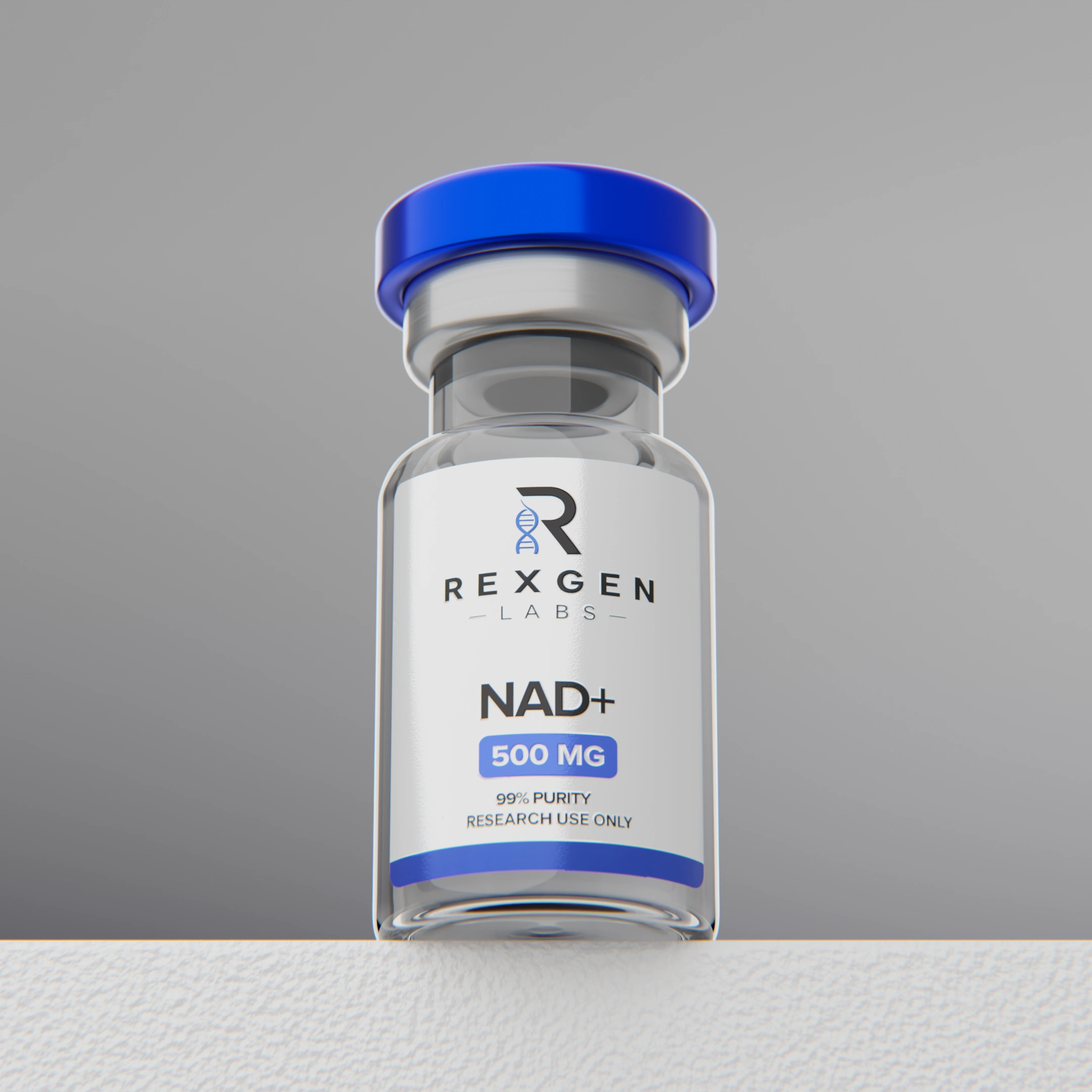
This listing supplies nicotinamide adenine dinucleotide (NAD+) as a 500 mg lyophilized vial intended strictly for in-vitro and preclinical laboratory research. NAD+ is a pyridine dinucleotide built from an adenine-containing nucleotide joined to a nicotinamide-containing nucleotide through a pyrophosphate bridge. In its oxidized (NAD+) and reduced (NADH) forms it functions as a hydride-accepting redox cofactor, and it is a defining reagent for studying electron-transfer chemistry at the bench. The material is offered as a research chemical for characterization work, assay development, and mechanistic investigation only.
NAD+ has been examined extensively in cell-free biochemistry and cultured-cell systems as the electron carrier that couples catabolic dehydrogenase reactions to downstream metabolism. In these research settings it is a standard substrate for enzymes such as lactate dehydrogenase, alcohol dehydrogenase, and the glyceraldehyde-3-phosphate dehydrogenase step of glycolysis, where the NAD+/NADH ratio is used as a readout of cellular redox state.
Beyond its classical redox role, NAD+ has been studied preclinically as a consumed co-substrate rather than a recycled cofactor. Investigators have used it to probe the activity of sirtuin deacylases and poly(ADP-ribose) polymerases (PARPs), both of which cleave NAD+ and release nicotinamide during their catalytic cycles. It also serves as a precursor for signaling molecules including cyclic ADP-ribose. This body of work remains preliminary and ongoing, and the content here describes laboratory observations only; it is not medical advice and implies no health outcome.
Each batch is characterized to confirm identity and purity before release. Reversed-phase HPLC with UV detection is the primary purity method; NAD+ shows a characteristic absorbance maximum near 259 nm arising from its adenine and nicotinamide chromophores, and the free-acid dinucleotide is resolved from related species such as NADH, nicotinamide, and ADP-ribose degradation products. Purity is typically reported as area-percent against these known impurities.
Identity is confirmed by mass spectrometry, with the expected monoisotopic mass consistent with the C21H27N7O14P2 composition (nominal molecular weight ~663.4 g/mol for the free acid). Complementary techniques used in characterization can include UV-Vis spectroscopy to verify the 259 nm profile, Karl Fischer or loss-on-drying for residual moisture in the lyophilized cake, and appearance/reconstitution checks. Reviewing the batch-specific Certificate of Analysis (COA) is recommended so that reported HPLC purity, mass-spec identity confirmation, and moisture data can be matched to the lot in hand before it is entered into an experimental record.
NAD+ is hygroscopic and its aqueous solutions are sensitive to heat, alkaline pH, and repeated freeze-thaw. Standard laboratory practice is to keep the sealed lyophilized vial cold and desiccated, equilibrate it to room temperature before opening to limit moisture uptake, and reconstitute in cold buffer near neutral or slightly acidic pH immediately prior to an experiment. Prepared stock solutions are commonly aliquoted to minimize freeze-thaw cycles. Handle only with appropriate PPE under general chemical-safety procedures. This material is not for human or animal use.