-15%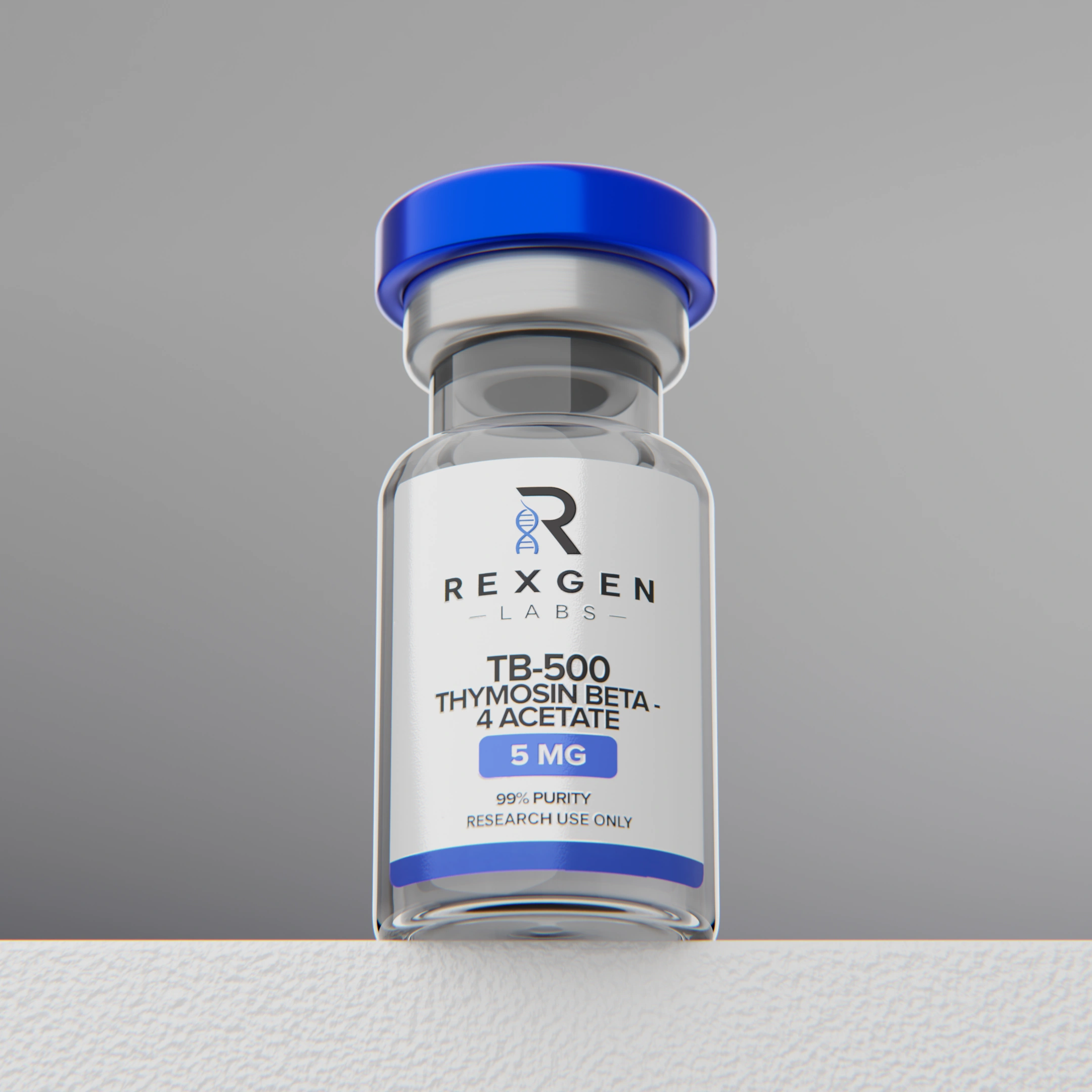
TB-500 (Thymosin B-4)
$63.99$74.99

Bulk Discount Available
Save on multi-vial purchases
Choose Quantity
Vial quantity discounts automatically apply.
Choose a custom quantity
Pick 1-10 vials
1 Vials total
1 paid + 0 free
$43.99
Popular research compound

99%+ Purity
HPLC Verified
Lab Tested
U.S. Accredited Labs
Discreet Shipping
Secure Packaging
In Stock
Ships Same Day
37AA
SEQUENCE
Long-acting amylin analogue
7days
HALF-LIFE
Weekly dosing in clinical trials
10.8%
WEIGHT LOSS
In Phase 2 trial at highest dose
20+
PUBLICATIONS
Novel amylin receptor agonist
AMYR
TARGET
Amylin receptor agonist
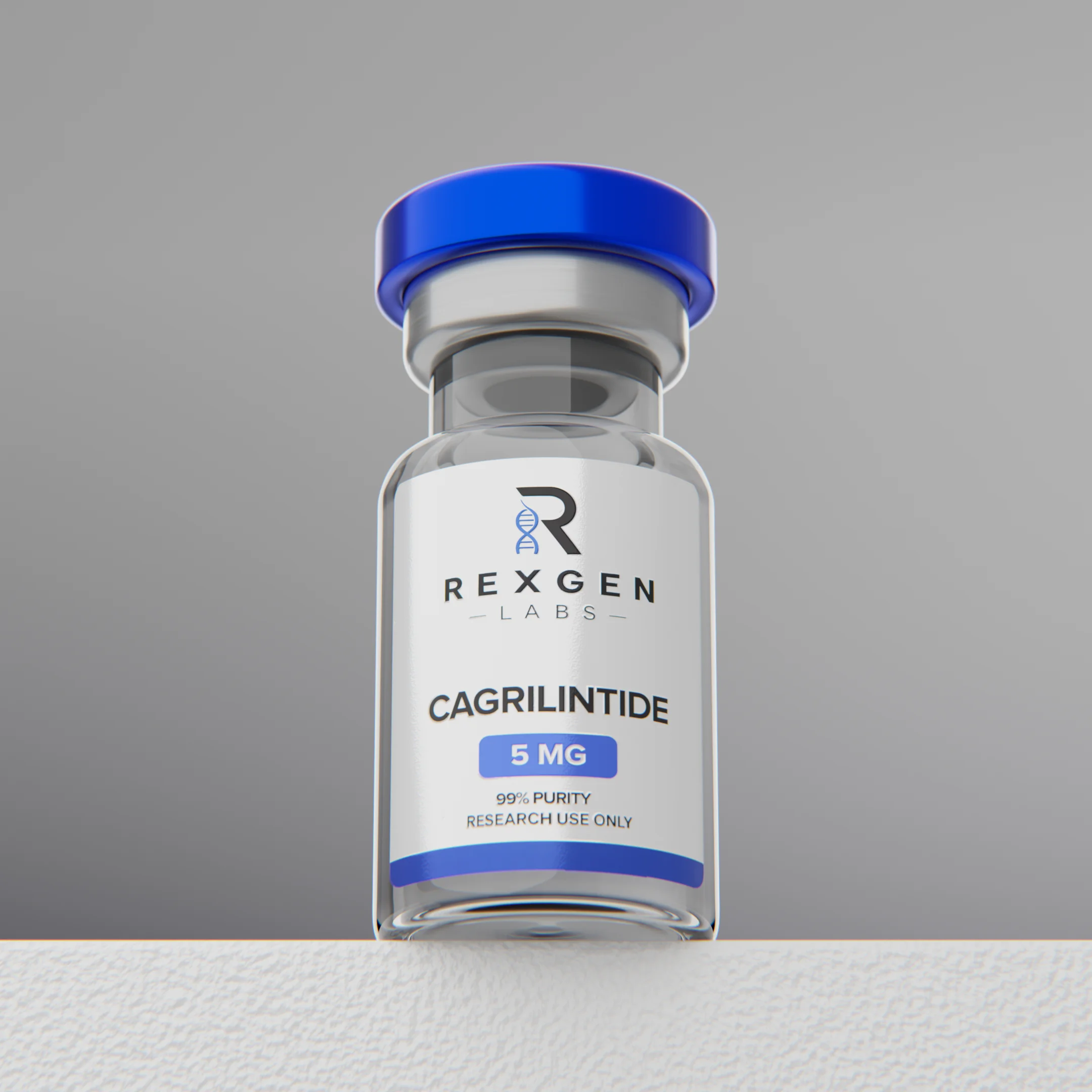
Cagrilintide (CAS 2171674-71-6) is a long-acting amylin analog peptide supplied strictly as a reference material for in-vitro and preclinical laboratory research. Structurally it is a 32-residue peptide built on the amylin (islet amyloid polypeptide) scaffold, carrying a fatty-diacid lipidation motif that, in published pharmacokinetic literature, was engineered with the aim of extending the molecule's circulating half-life relative to native amylin in laboratory model systems. Its molecular formula is C194H312N54O59S2, corresponding to an average molecular weight of approximately 4409 g/mol, and it contains an intramolecular disulfide bridge reflected in the two sulfur atoms of the formula. This compound is intended solely for research use and is not a drug, food, or dietary product, and is not for human or veterinary use.
In the peer-reviewed literature, amylin and its synthetic analogs are studied as agonists at amylin and calcitonin receptor complexes. Cagrilintide specifically has been characterized in receptor-pharmacology and metabolic-signaling investigations as a tool for probing amylin-receptor engagement, and it has appeared in preclinical studies exploring combined preparations with incretin-class peptides. Research on this class remains preliminary and ongoing; the material described here is characterized only for laboratory experimentation, and nothing on this page describes or implies human or veterinary outcomes. This content is educational and is not medical advice.
Published preclinical and in-vitro work involving cagrilintide and related amylin analogs has centered on documented laboratory endpoints rather than clinical outcomes. Reported research directions include:
Each research lot is specified at a purity of not less than 98 percent. Identity and purity are confirmed using orthogonal analytical methods before release, with a Certificate of Analysis (COA) available for the corresponding lot.
Because cagrilintide is a lipidated, disulfide-containing peptide, laboratory handling follows standard practices for sensitive research peptides: work in a clean environment, minimize freeze-thaw cycles of reconstituted stock, and reference the lot-specific COA for the assayed purity and mass values used to plan in-vitro experiments. This guidance covers laboratory handling only and does not imply any in-vivo use.