-15%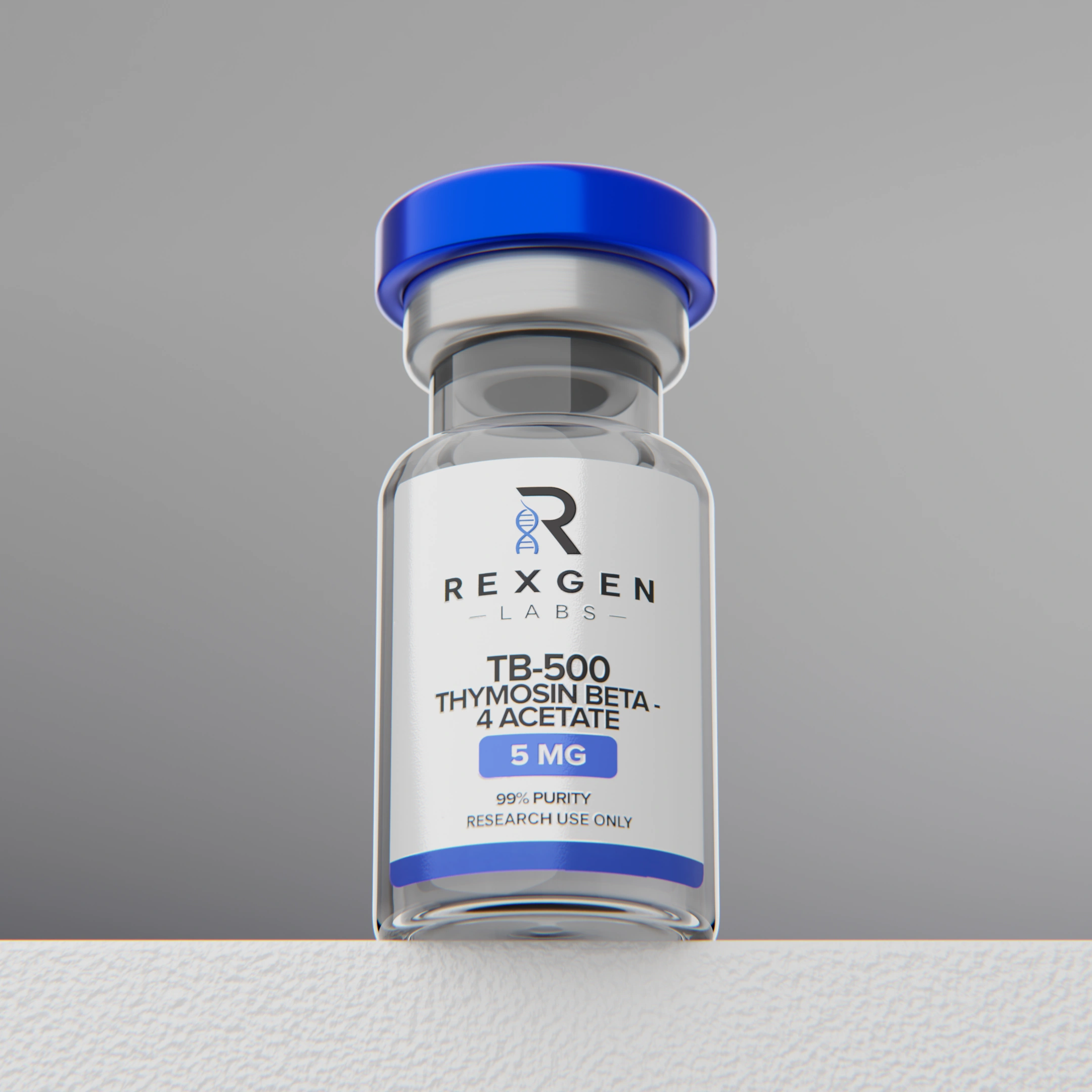
TB-500 (Thymosin B-4)
$63.99$74.99

Buy 1 Get 1 FREE!
Each product card clearly shows the included vials and the total price
Choose Quantity
Buy 1, get 1 free — every card shows how many vials you get and the one price you pay.
Choose a custom quantity
Pick 1-10 — you get double
2 Vials total
1 paid + 1 free
$87.99
You save $87.99
Popular research compound

99%+ Purity
HPLC Verified
Lab Tested
U.S. Accredited Labs
Discreet Shipping
Secure Packaging
In Stock
Ships Same Day
3x
TRIPLE AGONIST
GLP-1, GIP, and glucagon receptors
24%
BODY WEIGHT
Reduction in Phase 2 trials (retatrutide)
50+
PUBLICATIONS
Rapidly growing research base
2023
PHASE 2 DATA
Presented at ADA conference
39AA
SEQUENCE
Modified triple-agonist peptide
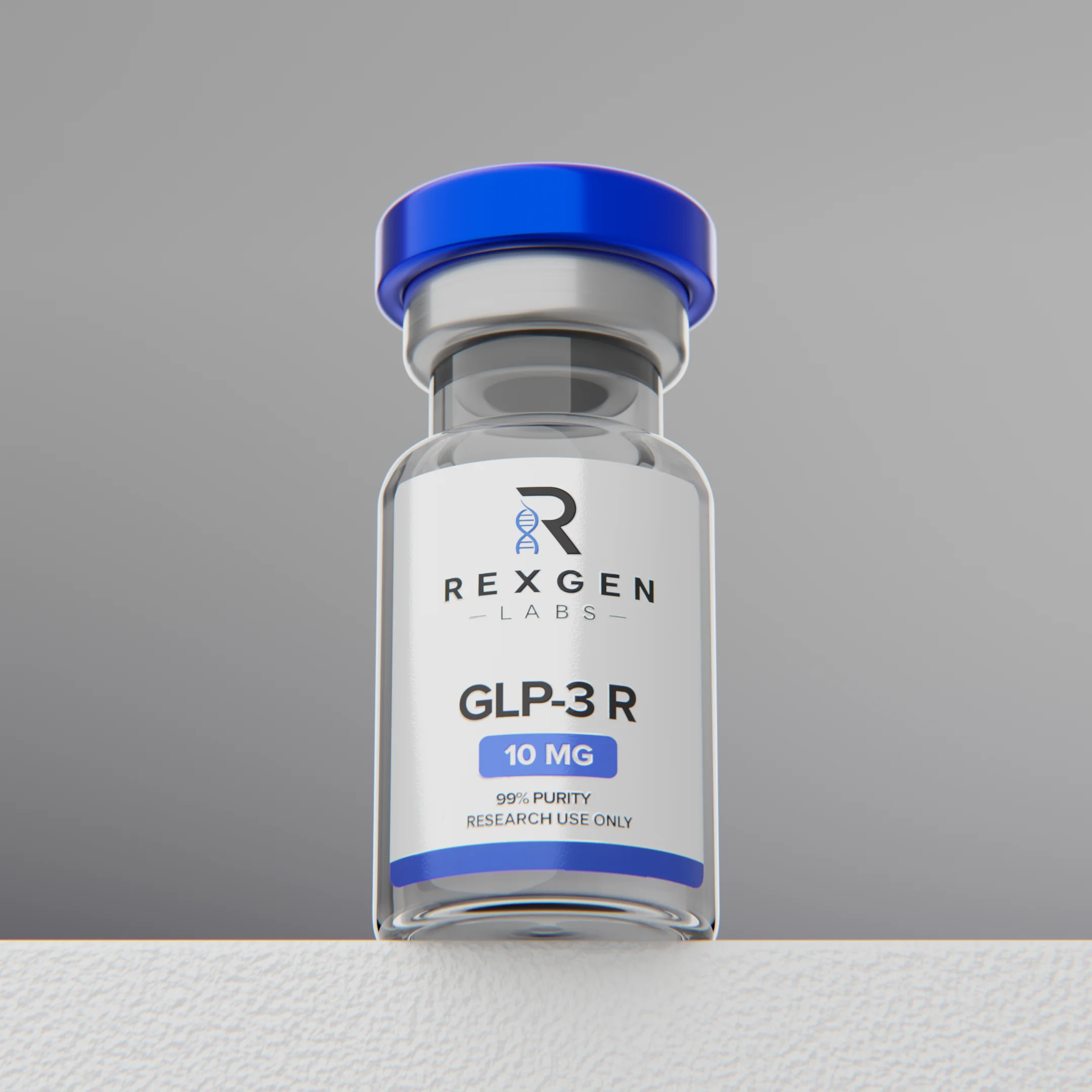
GLP-3 R (CAS 2381089-83-2) is the research designation applied to the synthetic triple-receptor agonist peptide also catalogued as retatrutide / LY3437943. It corresponds to the molecular formula C221H342N46O68 and a monomeric mass of approximately 4731 Da. Unlike single- or dual-incretin analogs, this 39-residue peptide was engineered to engage three class B G-protein-coupled receptors within receptor-expressing cell systems: the glucose-dependent insulinotropic polypeptide receptor (GIPR), the glucagon-like peptide-1 receptor (GLP-1R), and the glucagon receptor (GCGR). Because of this three-way pharmacology, laboratories frequently describe it as a triagonist scaffold. This material is supplied strictly as a reference compound for in-vitro and preclinical laboratory investigation and is not intended for human or veterinary use.
The GLP-3 R sequence is built on a GIP-derived backbone that has been modified at several positions to alter its biochemical behavior in vitro. Structural elements characterized in the peptide-chemistry literature include:
In published in-vitro pharmacology, this scaffold has been profiled for cyclic-AMP accumulation across cells recombinantly expressing human GIPR, GLP-1R, and GCGR, with reported half-maximal effective concentrations in the sub-nanomolar to low-nanomolar range (approximately 0.06 nM at GIPR, 0.78 nM at GLP-1R, and 5.8 nM at GCGR). This balanced-yet-differential potency profile is the primary characteristic that distinguishes it from mono- and dual-agonist reference peptides in comparative receptor panels. Reported preclinical rodent studies have employed diet-induced-obese and GLP-1R knockout mouse models together with indirect calorimetry and pair-feeding designs as experimental tools to examine how the three receptor pathways contribute to measured signaling readouts, and cell and tissue systems have been used to probe hepatic lipid handling at the biochemical level. All such work is described here only to summarize the published research literature; it remains preliminary and ongoing, and no health, therapeutic, or performance claims are made or implied.
Each research lot of GLP-3 R is specified at greater than or equal to 99% purity. Identity and purity are established using orthogonal analytical methods common to peptide reference materials:
As a lyophilized peptide reference material, GLP-3 R is subject to standard laboratory handling and storage practices for research chemicals. This handling guidance pertains solely to preserving analytical integrity in the laboratory and does not imply any route of administration.