-15%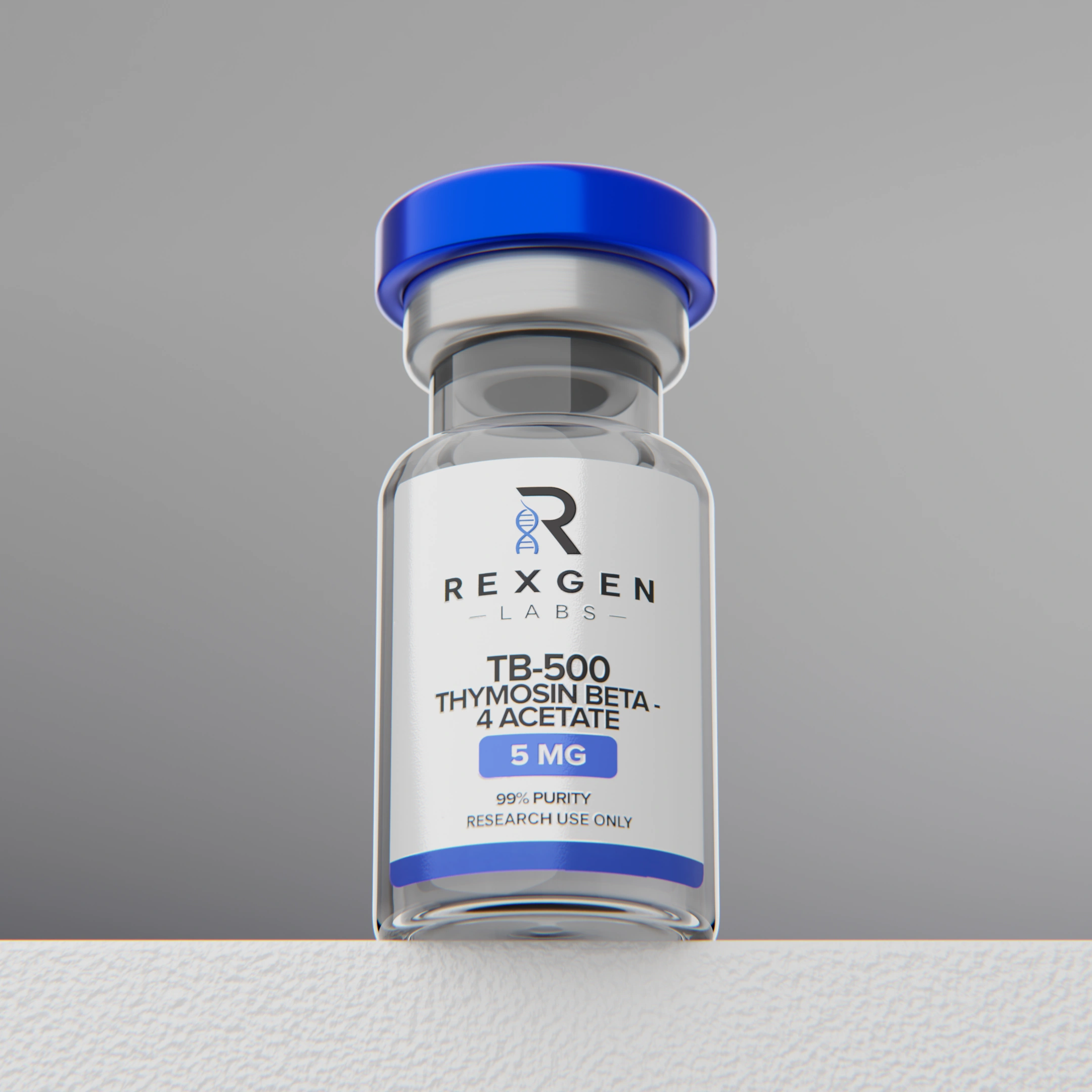
TB-500 (Thymosin B-4)
$63.99$74.99

Bulk Discount Available
Save on multi-vial purchases
Choose Quantity
Vial quantity discounts automatically apply.
Choose a custom quantity
Pick 1-10 vials
1 Vials total
1 paid + 0 free
$27.99
Popular research compound

99%+ Purity
HPLC Verified
Lab Tested
U.S. Accredited Labs
Discreet Shipping
Secure Packaging
In Stock
Ships Same Day
7AA
CYCLIC PEPTIDE
Synthetic alpha-MSH analogue
MC1R
PRIMARY TARGET
Melanocortin-1 receptor
300+
PUBLICATIONS
In melanogenesis research
1991
FIRST SYNTHESIZED
University of Arizona
1024Da
MOL. WEIGHT
Ac-Nle-asp-His-DPhe-Arg-Trp-Lys-NH2
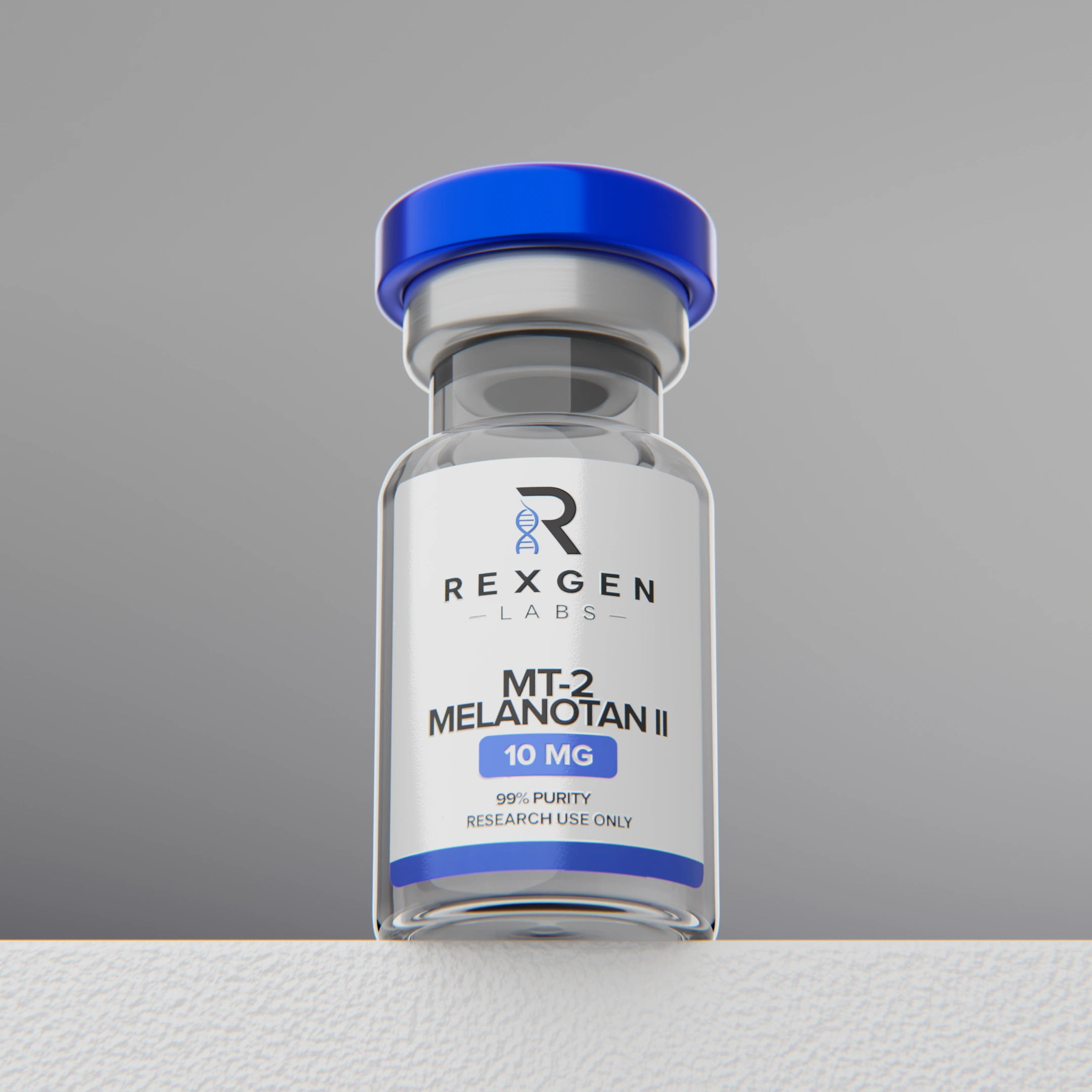
This listing supplies MT-2 (Melanotan II) as a lyophilized reference material for in-vitro and preclinical laboratory work. MT-2 is a synthetic cyclic heptapeptide analog of alpha-melanocyte-stimulating hormone (alpha-MSH), with the molecular formula C50H69N15O9 and CAS number 121062-08-6. Its defining structural feature is a lactam bridge that cyclizes the peptide backbone; this constraint holds the molecule in a conformation that laboratory studies report to be more resistant to enzymatic degradation than the linear native hormone, which is one reason MT-2 is frequently selected as a stable model ligand in melanocortin-receptor research. The material is produced synthetically and characterized as a discrete, sequence-defined heptapeptide rather than as an extract or blend.
In the literature MT-2 is classified as a non-selective melanocortin receptor agonist, meaning it engages several members of the melanocortin receptor family (notably MC1R, MC3R, MC4R, and MC5R) rather than a single subtype. That broad receptor engagement is why it is often used as a reference tool compound by researchers studying melanocortin signaling in cell-based systems. All descriptions below concern the research substance itself — its documented study history, its analytical fingerprint, and standard handling of freeze-dried peptide reference material — and are not statements about outcomes in humans or animals.
Published investigations involving MT-2 are predominantly receptor-pharmacology and cell-based in nature, using it as a reference agonist to study how the melanocortin receptor family transduces signals. Because it activates multiple receptor subtypes, it appears in assays measuring cyclic AMP (cAMP) accumulation and receptor binding across MC1R–MC5R constructs expressed in cultured cell lines. It is also cited in melanogenesis studies using cultured melanocyte and melanoma cell models, where researchers examine tyrosinase-related endpoints and pigment-pathway signaling in vitro under controlled conditions.
Each research lot is supplied as a lyophilized powder at a stated peptide mass of 10 mg per vial and is characterized before release to a purity of at least 99%. Identity and purity are established using orthogonal analytical methods so that the material on the Certificate of Analysis (COA) matches the sequence and mass expected for the cyclic heptapeptide. This dual-method approach separates purity (how much of the sample is the target peptide) from identity (confirmation that the target is the correct molecule).
The COA accompanying each product is the definitive analytical record for that specific lot. Because purity and mass can vary slightly between synthesis batches, researchers should reference the COA tied to the lot number received rather than generic specifications when documenting experimental inputs. Retaining the COA alongside experimental records supports reproducibility and traceability.
As a lyophilized peptide, MT-2 is hygroscopic and sensitive to repeated temperature cycling. Standard laboratory practice is to allow sealed vials to equilibrate to room temperature before opening to minimize condensation, then reconstitute with an appropriate research-grade solvent under aseptic technique. Aliquoting reconstituted stock into single-use portions limits freeze-thaw cycles that can degrade peptide integrity, and protecting solutions from prolonged light exposure is prudent for melanocortin peptides. Detailed temperature and stability windows for lyophilized, reconstituted, and working solutions appear in the storage table on this page. All handling guidance refers to laboratory management of the material and does not describe or imply any use in humans or animals.