🔥 Get free shipping when you spend $250 or more
RexGen
Home | Products |MOTS-c
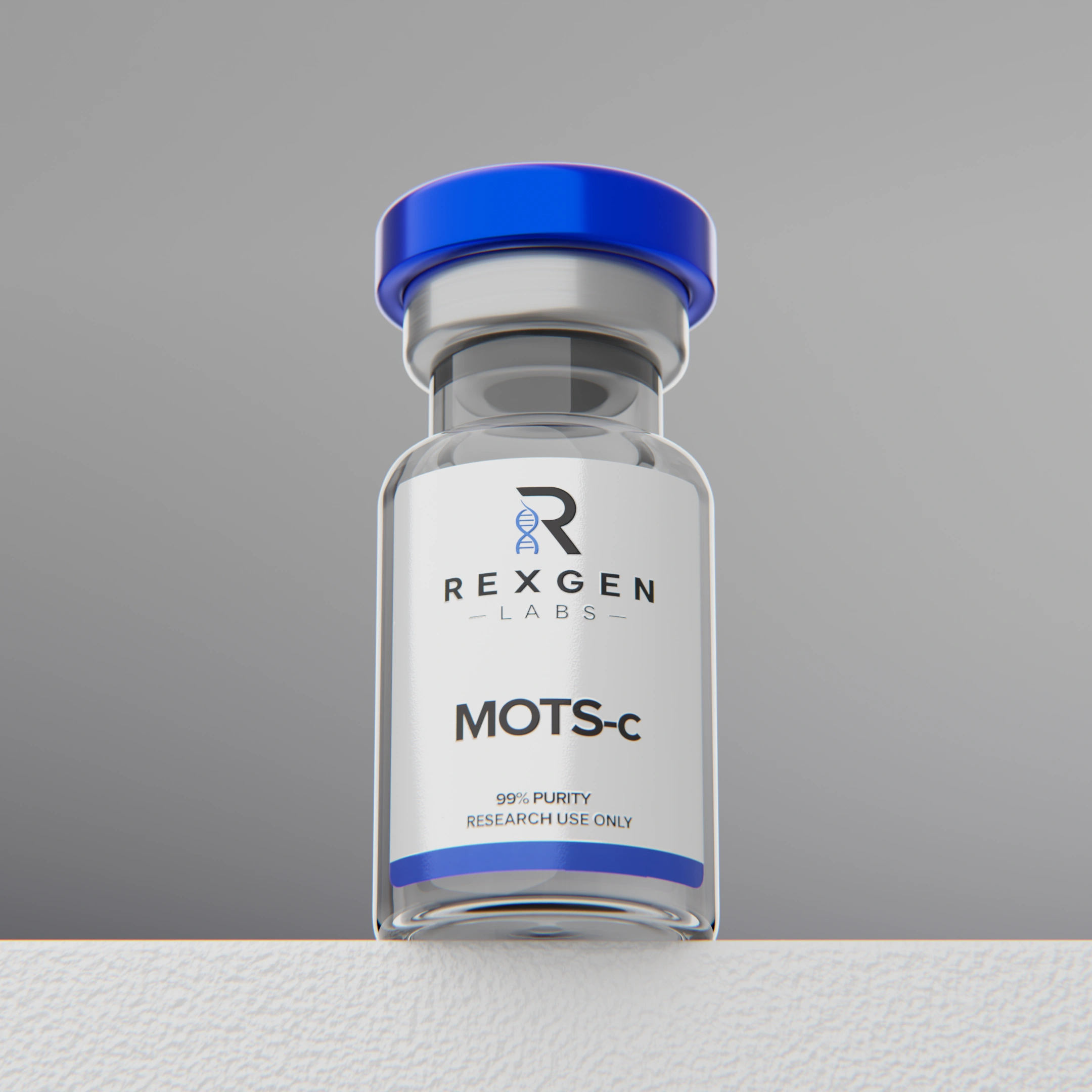
MOTS-c product image
•  Research REXGEN

MOTS-c

CAS: 1627580-64-6|C101H152N28O22S2|≥98% Pure
💰

Bulk Discount Available

Save on multi-vial purchases

Choose Quantity

Vial quantity discounts automatically apply.

Choose a custom quantity

Pick 1-10 vials

1
1 vialsgit branch

1 Vials total

1 paid + 0 free

$43.99

Popular research compound

We acceptcards
Size10mgSKU PEP-10MG

99%+ Purity

HPLC Verified

Lab Tested

U.S. Accredited Labs

Discreet Shipping

Secure Packaging

In Stock

Ships Same Day

🧬

16AA

SEQUENCE

Mitochondria-derived peptide

🎯

AMPK

PATHWAY

Activates AMP-activated protein kinase

📚

40+

PUBLICATIONS

Since discovery in 2015 by Lee et al.

mtDNA

ORIGIN

Encoded in mitochondrial 12S rRNA gene

🔬

2175Da

MOL. WEIGHT

Mitochondrial open reading frame

•  Research Overview

MOTS-c: Research Background

MOTS-c (Mitochondrial Open reading frame of the Twelve S rRNA type-c) is a mitochondrial-derived peptide (MDP) encoded within the 12S rRNA region of the mitochondrial genome rather than the nuclear genome. First described in the scientific literature around 2015, it is a short 16-residue peptide (sequence MRWQEMGYIFYPRKLR) that has drawn attention in metabolic-signaling research. This listing supplies MOTS-c as a synthetic research peptide (CAS 1627580-64-6, molecular formula C101H152N28O22S2, approximately 2174 Da) intended strictly for in-vitro and preclinical laboratory investigation. It is not a drug, supplement, or article for human or veterinary use.

MOTS-c is studied as a member of the mitochondrial-derived peptide family alongside humanin and the SHLP series. Research interest centers on its proposed role as a signaling molecule involved in cellular metabolic homeostasis, and on the observation in published cell-based and rodent models that it can translocate to the nucleus under metabolic stress. These findings position MOTS-c as a tool compound for laboratory studies of mitochondrial-nuclear crosstalk; the underlying biology remains an active and preliminary area of investigation and the material here is offered only to support that experimental work.

What Has Been Studied In Vitro and Preclinically

Peer-reviewed reports have examined MOTS-c primarily in cultured cells and rodent models. Documented lines of laboratory inquiry include:

  • AMPK pathway signaling: studies have investigated MOTS-c as an activator of the AMP-activated protein kinase (AMPK) axis in cultured cells, a pathway central to cellular energy sensing.
  • Glucose and folate-cycle metabolism: in-vitro work has probed interactions with the methionine-folate-de novo purine biosynthesis pathway and downstream effects on cellular glucose handling.
  • Nuclear translocation under stress: cell models have reported that MOTS-c can move to the nucleus during metabolic or oxidative stress and associate with stress-response gene regulation.
  • Exercise and skeletal-muscle models: rodent and myocyte studies have explored MOTS-c as an experimental variable in metabolic and physical-stress paradigms.
  • Aging-biology research: as a mitochondrial-derived peptide, it appears in preclinical literature examining age-associated changes in metabolic signaling.

Analytical Characterization

Because reproducible research depends on well-characterized material, each lot of this MOTS-c is specified at greater than or equal to 98% purity and is intended to ship with lot-specific analytical documentation. Typical characterization for a peptide of this class includes:

  • RP-HPLC purity: reversed-phase high-performance liquid chromatography quantifies the main-peak area (at least 98%) and profiles process-related impurities and truncated sequences.
  • Mass-spec identity: ESI-MS or MALDI-TOF confirms the intact molecular mass against the theoretical value (approximately 2174 Da for C101H152N28O22S2), verifying the correct 16-residue sequence.
  • Certificate of Analysis (COA): a per-lot COA consolidating purity, identity, and appearance data so results can be traced to a specific batch.
  • Physical description: supplied as a lyophilized solid; the two methionine residues (accounting for the two sulfur atoms in the formula) are a point of note when planning oxidation-sensitive assay conditions.

Reviewing the HPLC trace and mass-spec data before use is standard practice for peptide research, and researchers are encouraged to confirm identity and purity against their own acceptance criteria. Handling should follow ordinary laboratory practice for lyophilized peptides.
Molecular Profile

CAS Number1627580-64-6
Mol. Weight2174.6 g/mol
FormulaC101H152N28O22S2
Purity≥98%

Storage Requirements

Lyophilized-20°C / 24 months
Reconstituted2-8°C / 30 days
Working Solution2-8°C / 7 days
FormWhite powder

Research Status

CategoryResearch Peptide
QualityResearch Grade
Intended UseIn-vitro only
ComplianceRUO Protocol

Frequently Asked
Questions

More Research Compounds

-15%
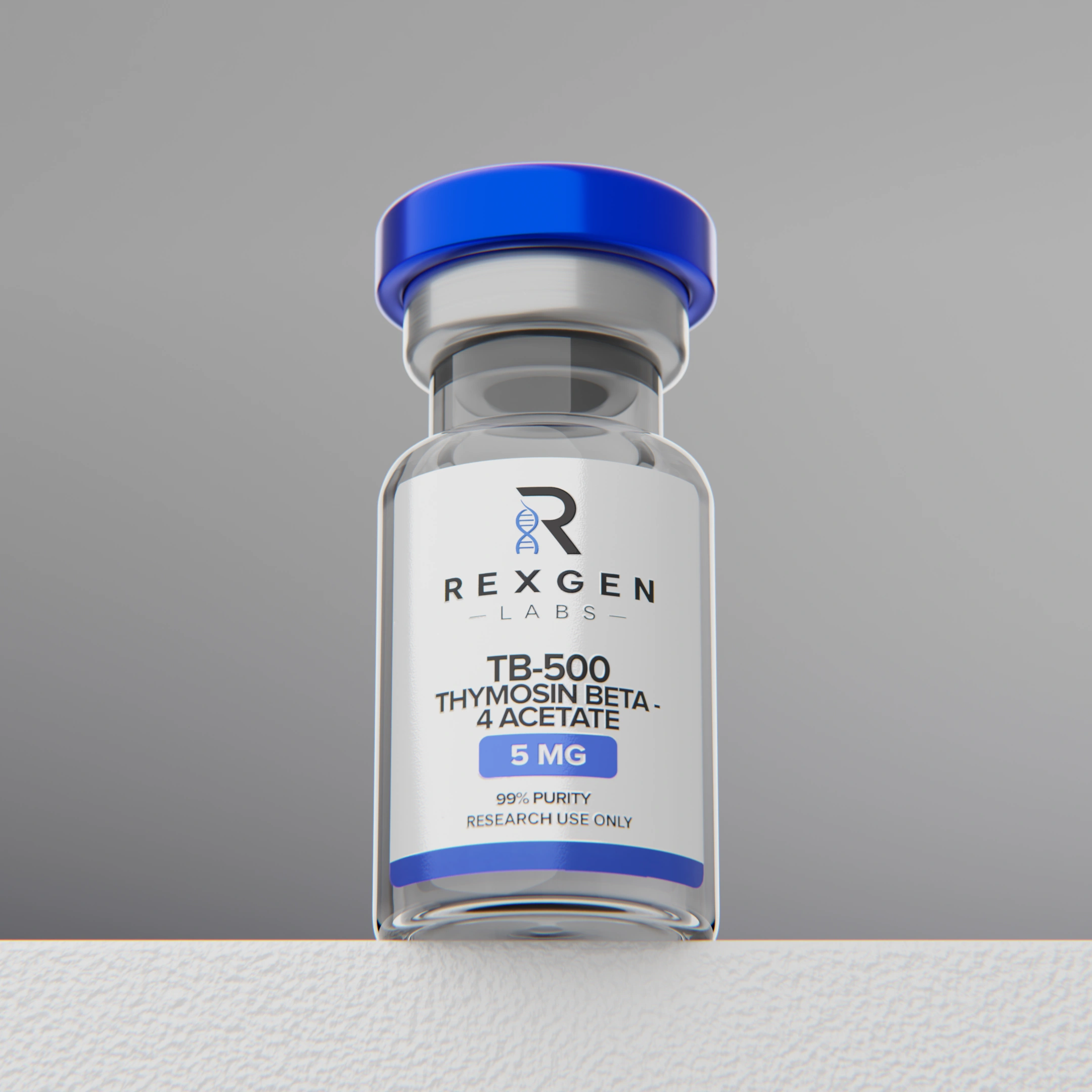
TB-500 (Thymosin B-4) product image

TB-500 (Thymosin B-4)

$63.99$74.99
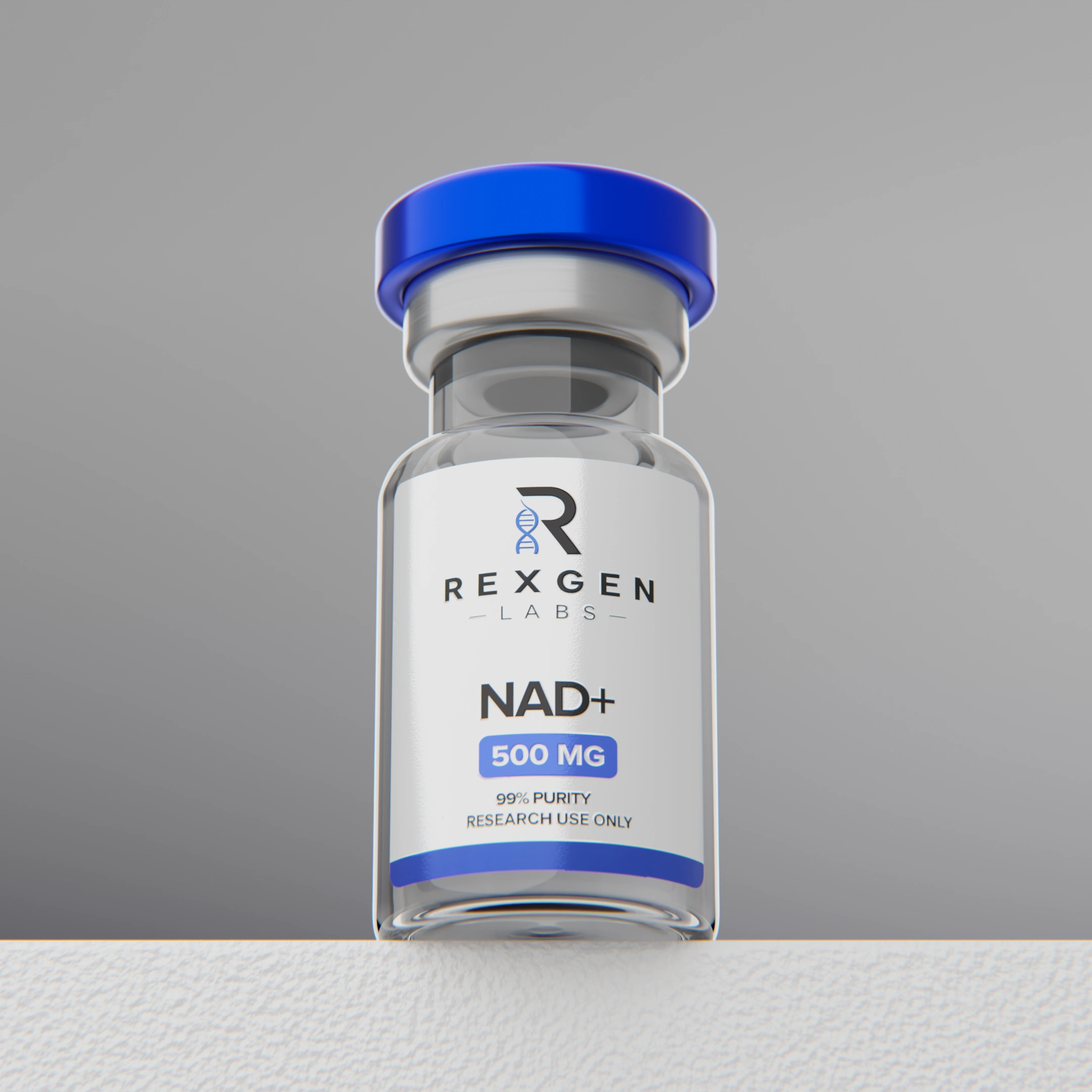
NAD+ product image

NAD+

$49.99$49.99