-15%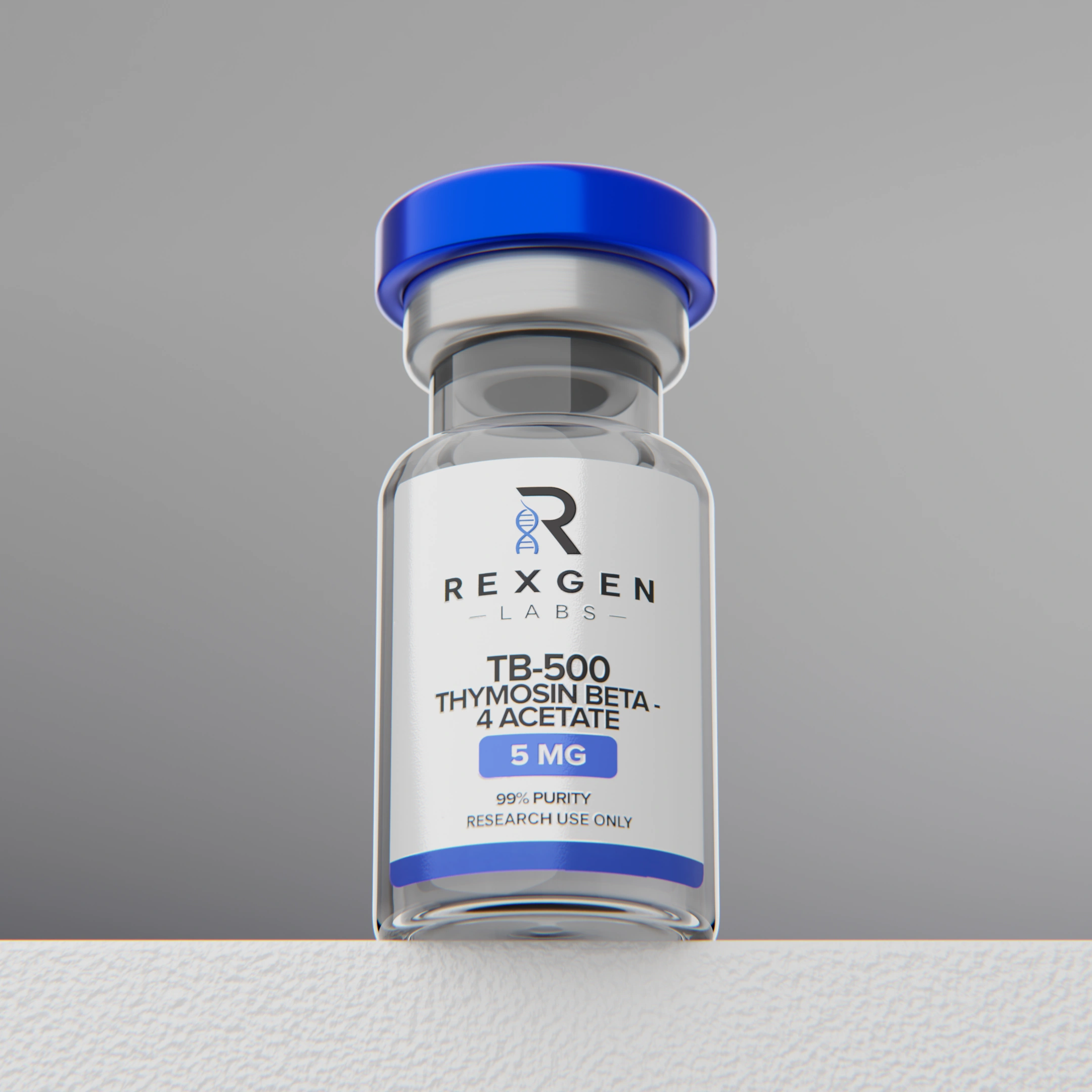
TB-500 (Thymosin B-4)
$63.99$74.99

Bulk Discount Available
Save on multi-vial purchases
Choose Quantity
Vial quantity discounts automatically apply.
Choose a custom quantity
Pick 1-10 vials
1 Vials total
1 paid + 0 free
$43.99
Popular research compound

99%+ Purity
HPLC Verified
Lab Tested
U.S. Accredited Labs
Discreet Shipping
Secure Packaging
In Stock
Ships Same Day
30AA
SEQUENCE + DAC
GHRH analogue with Drug Affinity Complex
8+days
HALF-LIFE
Extended via DAC albumin binding
2-10x
IGF-1 INCREASE
Sustained elevation in studies
30+
PUBLICATIONS
DAC-conjugated variant studies
3648Da
MOL. WEIGHT
With DAC modification
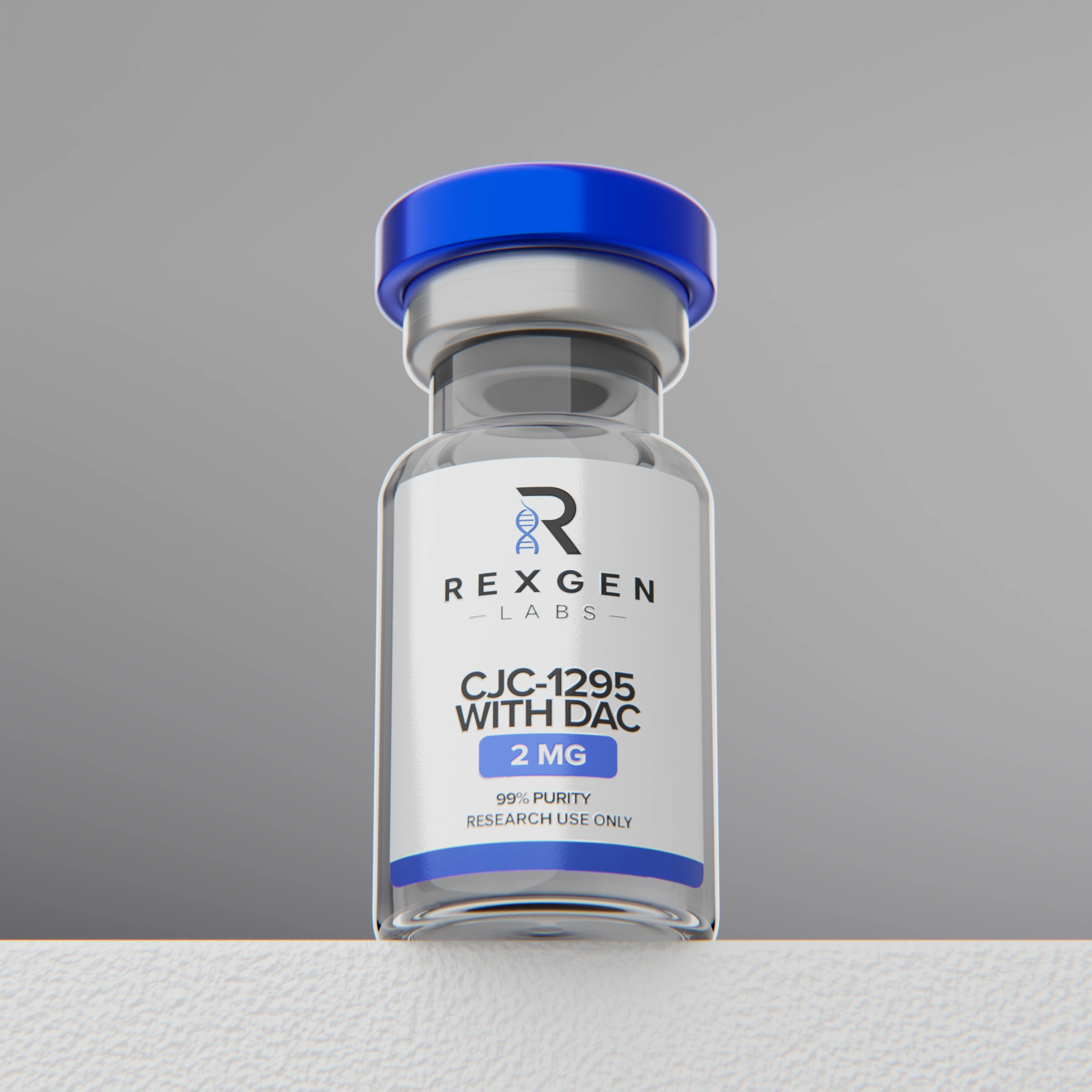
This listing supplies CJC-1295 with DAC (2 mg) as a lyophilized reference peptide for in-vitro and preclinical laboratory work. CJC-1295 is a synthetic analog of the first 29 residues of growth-hormone-releasing hormone — the GRF(1-29) fragment — carrying a small set of amino-acid substitutions that improve resistance to enzymatic cleavage. The defining structural feature of this version is the DAC group: a Drug Affinity Complex built from a maleimidopropionyl lysine linker. That reactive tether is designed to form a covalent bond with a free cysteine thiol on circulating serum albumin, so in a research setting the peptide is studied as an albumin-binding, long-acting GRF analog rather than as a short-lived free peptide. The molecular formula for this product is C165H269N47O46, and it is registered under CAS 863288-34-0.
The distinction between the DAC and non-DAC forms matters when planning bench work. Without the DAC linker, modified GRF(1-29) (sometimes catalogued as CJC-1295 'no-DAC' or Mod-GRF 1-29) behaves as a comparatively short-lived analog; the DAC modification is what confers the extended albumin-association profile that researchers characterize in this material. All descriptions below concern the research substance itself — its documented study history and its analytical fingerprint — and make no claim about outcomes in humans or animals.
Published investigations of CJC-1295 with DAC are laboratory and preclinical in nature. As a GHRH-receptor-directed analog, it has been used in cell-based receptor-binding and signaling assays that probe the class B G-protein-coupled GHRH receptor and downstream cAMP responses in cultured pituitary-derived cells. The albumin-affinity behavior conferred by the maleimide-DAC chemistry has itself been a subject of characterization work, since the thiol-maleimide conjugation is the mechanistic basis for the compound's extended plasma-association profile observed in animal models.
Each research lot is supplied as a lyophilized powder and characterized before release so the material matches the sequence and mass expected for the DAC-modified GRF(1-29) analog. Identity and purity are established with orthogonal methods, keeping the two questions separate: purity asks how much of the sample is the target peptide, while identity confirms the target is the correct molecule with the maleimide-lysine linker intact.
The Certificate of Analysis (COA) accompanying each product is the definitive analytical record for that specific lot. Because purity and mass can vary slightly between synthesis batches, researchers should reference the COA tied to the lot number received rather than generic specifications when documenting experimental inputs. Because the maleimide moiety in the DAC linker is thiol-reactive, standard laboratory handling calls for reconstitution with a thiol-free research-grade solvent, keeping the sealed vial equilibrated to room temperature before opening to limit condensation on the hygroscopic solid, and aliquoting the stock to minimize freeze-thaw cycles. Detailed temperature and stability windows appear in the storage table on this page.