-15%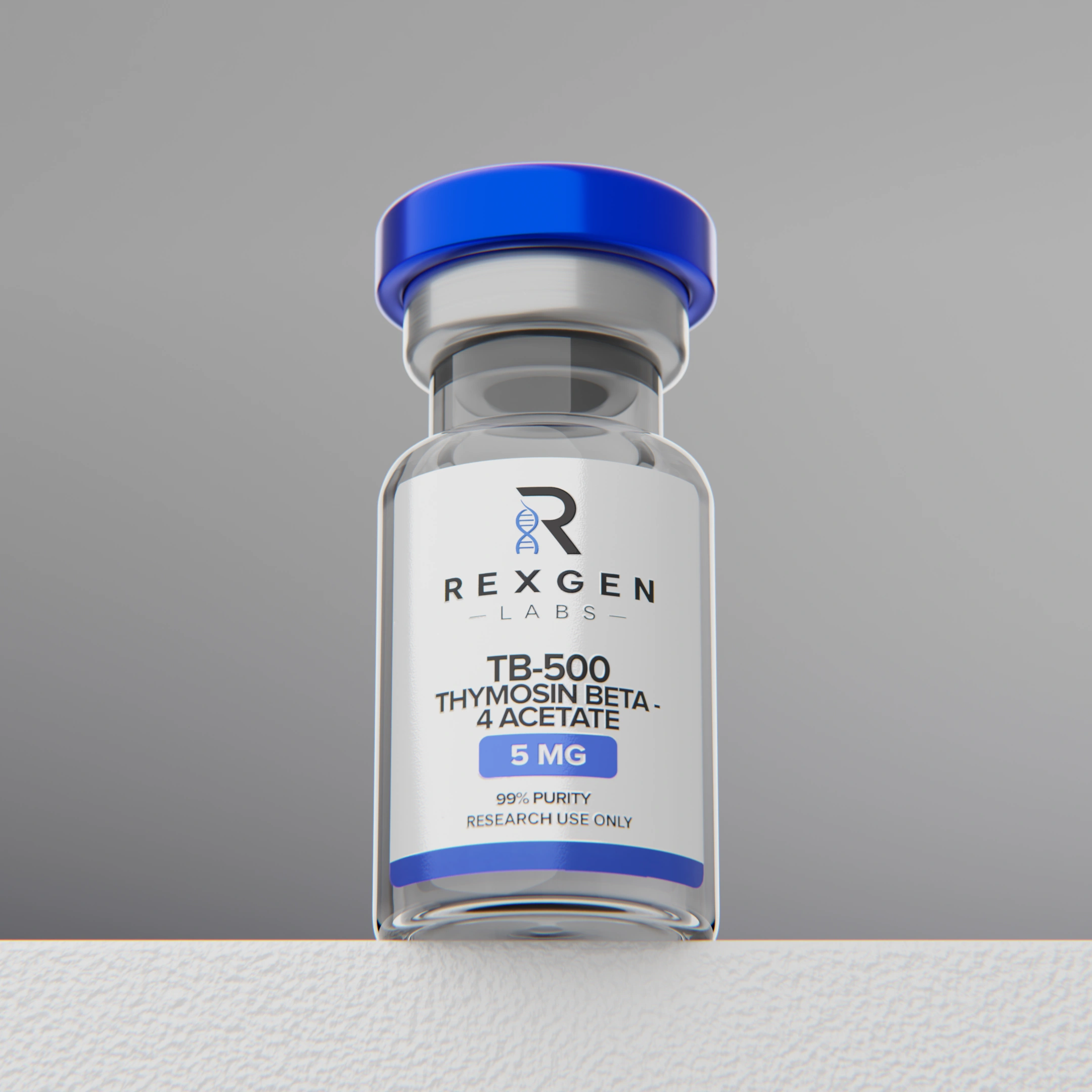
TB-500 (Thymosin B-4)
$63.99$74.99

Bulk Discount Available
Save on multi-vial purchases
Choose Quantity
Vial quantity discounts automatically apply.
Choose a custom quantity
Pick 1-10 vials
1 Vials total
1 paid + 0 free
$63.99
Popular research compound

99%+ Purity
HPLC Verified
Lab Tested
U.S. Accredited Labs
Discreet Shipping
Secure Packaging
In Stock
Ships Same Day
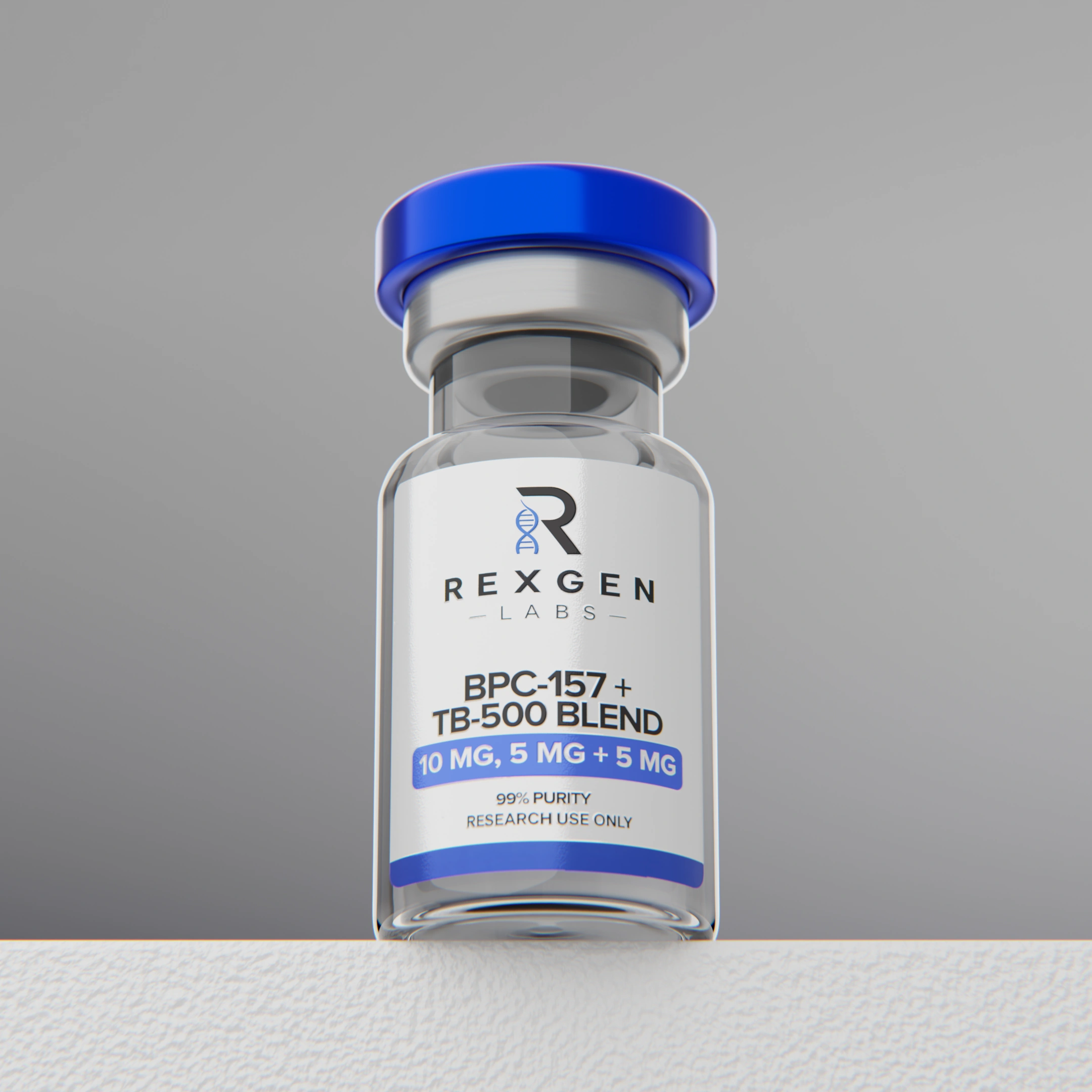
This listing supplies a combined research preparation of two synthetic peptides, BPC-157 and TB-500, co-packaged as a single lyophilized (freeze-dried) reference material for in-vitro and preclinical laboratory work only. Rather than two separate vials, the blend presents both sequences together so that researchers studying multi-peptide systems can reconstitute a defined co-formulation from one source. Each component is a distinct, sequence-defined molecule: BPC-157 is a 15-residue pentadecapeptide corresponding to a partial fragment of a protein identified in gastric juice, while TB-500 is a synthetic peptide based on the actin-binding region of thymosin beta-4 (Tβ4). The two are chemically unrelated in sequence and are combined here purely as a research convenience, not because they form a chemical complex.
Because a blend contains two distinct peptide sequences at a stated ratio, laboratories treat identity, purity, and ratio confirmation as three separate questions when planning experiments. The material is intended for qualified researchers characterizing peptide behavior on the bench and for studies where the interaction of two sequences within a shared matrix is examined under controlled conditions. Everything below concerns the research substance itself, its documented study history and analytical fingerprint, and is not a statement about outcomes in humans or animals.
BPC-157 (Body Protection Compound-157) is frequently described in the literature as a stable gastric pentadecapeptide, a label reflecting its relative resistance to hydrolysis in aqueous and enzymatic conditions compared with many short peptides. TB-500 is a fragment-derived peptide associated with the actin-sequestering function of thymosin beta-4; in preclinical study it is referenced for its role in cytoskeletal actin dynamics and cell-migration models. Each has its own molecular weight and chromatographic signature, which is why a blend is characterized component-by-component rather than as a single peak.
These references describe experimental laboratory work only. They are not medical claims, are not evidence of safety or efficacy in humans or animals, and should not be interpreted as guidance for any use outside a controlled research environment.
The published record for each component is predominantly in-vitro and rodent-model in nature; the two are more often studied individually than as a fixed blend, so combined-preparation data remains preliminary and ongoing. Reported experimental lines of inquiry for BPC-157 include interactions with nitric-oxide (NO) system pathways, cell-migration and wound-closure scratch assays, and angiogenesis-associated endpoints such as VEGFR2 expression in cultured endothelial cells. For TB-500, laboratory work has focused on actin-monomer sequestration, cytoskeletal reorganization, and cell-migration models. These are observations in isolated cells and animal models, not outcomes in people, and cross-study generalization is not supported by current data.
For a two-component blend, analytical verification confirms three things: the identity of each peptide, the purity of each peptide, and the ratio in which they are present. Reversed-phase HPLC (RP-HPLC) resolves the two sequences into separate peaks; peak-area integration is used to report purity and to estimate the relative proportion of each component (blend purity typically ≥98%). Mass spectrometry (ESI-MS or MALDI-TOF) confirms the observed mass of each peptide against its theoretical value, verifying that both BPC-157 and TB-500 are present and correct rather than a single sequence or a degradation product.
The lot-specific Certificate of Analysis (COA) is the definitive analytical record for the exact material received. Because purity and component ratio can vary slightly between synthesis and blending batches, researchers should reference the COA tied to the lot number in hand rather than generic specifications when documenting experimental inputs, and retain it alongside experimental records to support reproducibility and traceability.
As with other lyophilized research peptides, the blend is hygroscopic and sensitive to repeated temperature cycling. Standard laboratory practice is to allow the sealed vial to equilibrate to room temperature before opening to minimize condensation, then reconstitute with an appropriate research-grade solvent under aseptic technique so that both sequences dissolve together at the intended concentration. Aliquoting the reconstituted stock into single-use portions limits freeze-thaw cycles that can degrade peptide integrity and shift the effective ratio. Refer to the storage table on this page for temperature and stability windows. This material is for in-vitro research only and is not for human or animal use.