-15%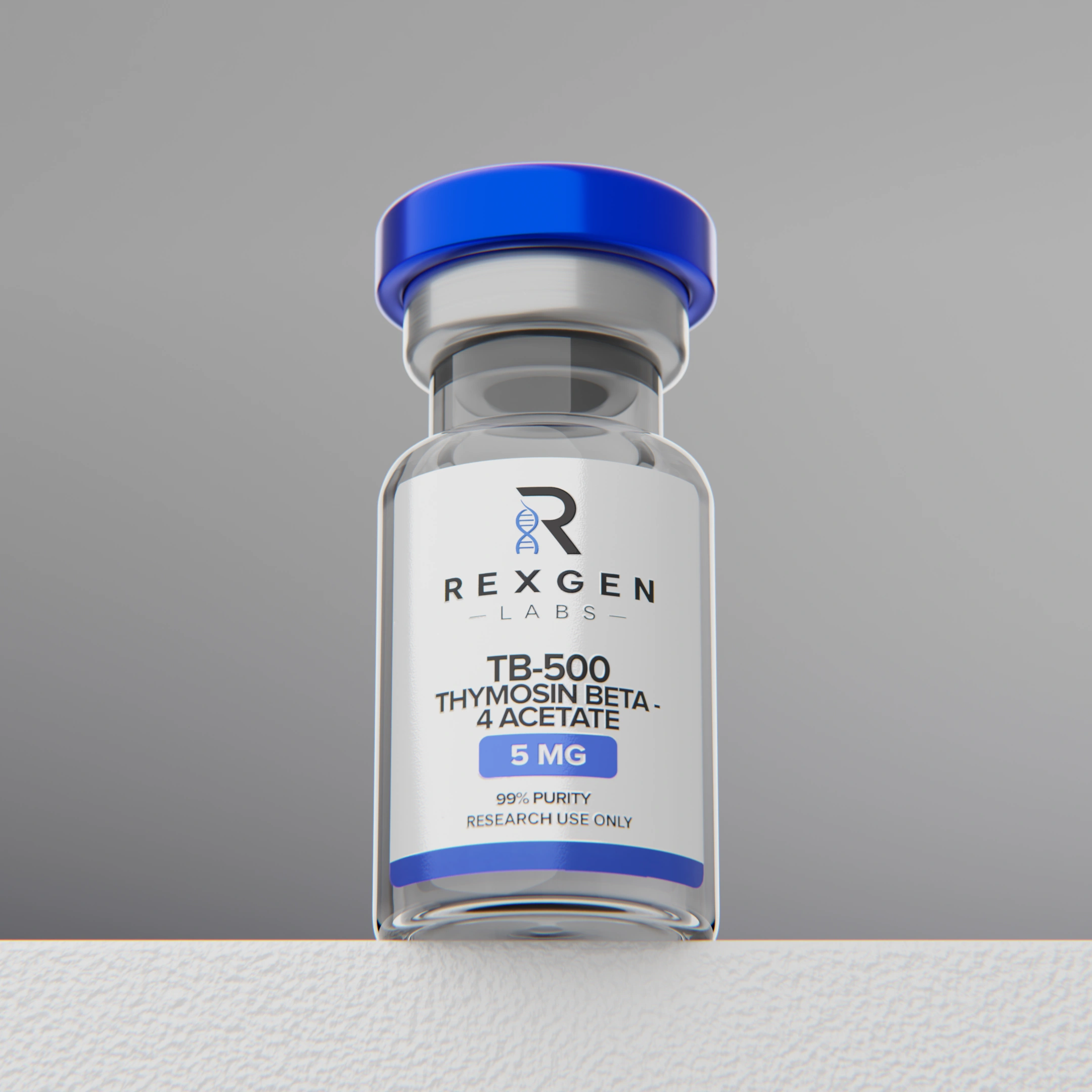
TB-500 (Thymosin B-4)
$63.99$74.99

Bulk Discount Available
Save on multi-vial purchases
Choose Quantity
Vial quantity discounts automatically apply.
Choose a custom quantity
Pick 1-10 vials
1 Vials total
1 paid + 0 free
$35.99
Popular research compound

99%+ Purity
HPLC Verified
Lab Tested
U.S. Accredited Labs
Discreet Shipping
Secure Packaging
In Stock
Ships Same Day
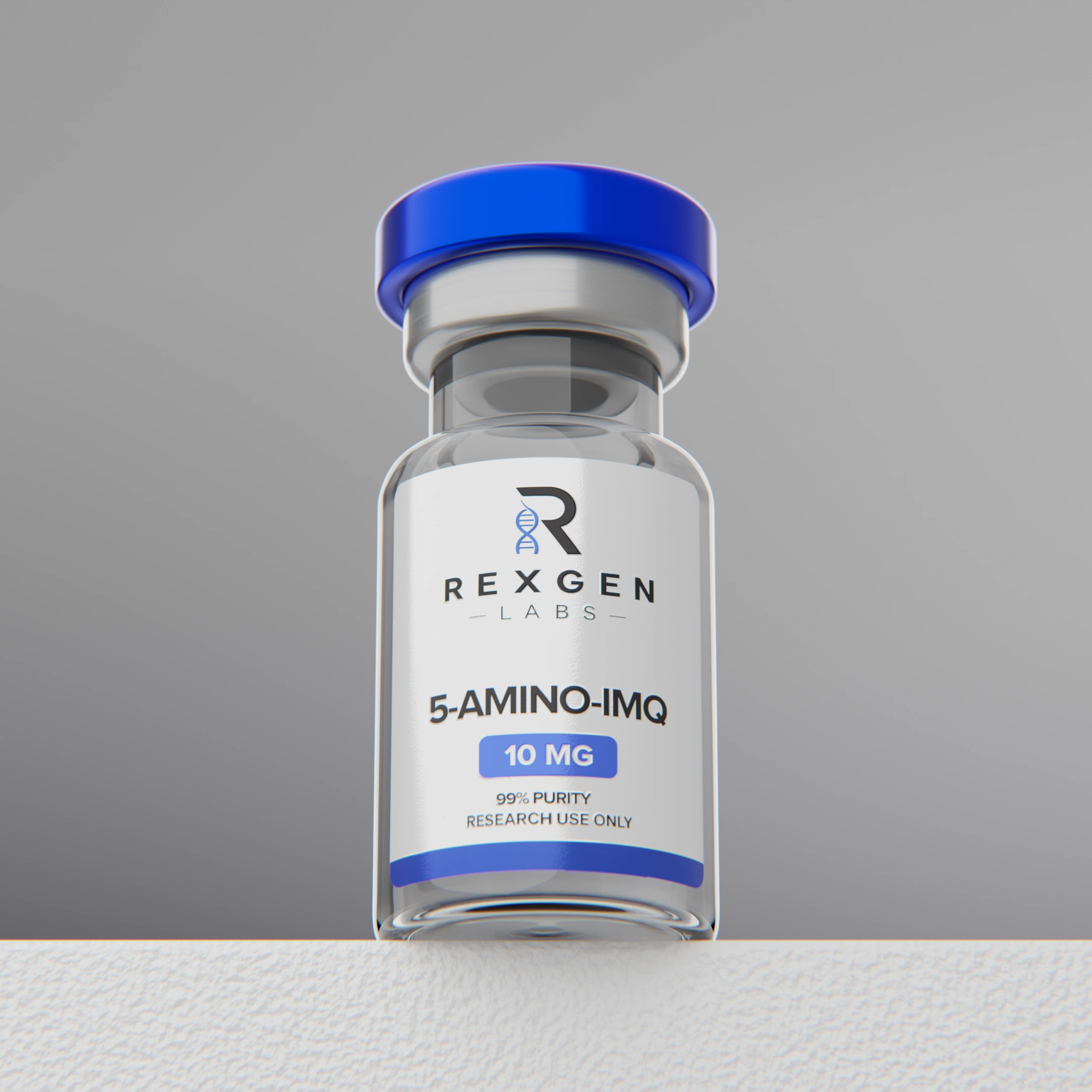
5-AMINO-IMQ is an imidazoquinoline amine derivative supplied strictly as a laboratory research material for in-vitro and preclinical immunological studies. Structurally, imidazoquinoline amines belong to the same synthetic small-molecule family as imiquimod (R-837) and resiquimod (R-848), a class of compounds widely used in the research literature as chemical probes for the innate-immune Toll-like receptor pathway. As a defined synthetic small molecule rather than a peptide, it is provided as a solid research chemical intended only for controlled laboratory work by qualified investigators.
Interest in imidazoquinoline amine derivatives as research tools stems from their reported activity, in cell-based systems, at pattern-recognition receptors that innate-immune cells use to sense single-stranded viral RNA. Compounds in this class have been studied as agonists at Toll-like receptors 7 and 8 (TLR7/TLR8) in cultured cells, so researchers use them as tool compounds for dissecting innate-immune signaling and cytokine-induction pathways. The specific 5-amino-substituted derivative offered here is positioned for this kind of laboratory investigation. This body of work is preliminary and ongoing, describes laboratory systems only, and should not be extrapolated to human or animal outcomes; the compound has no established consumer application.
Published investigations of imidazoquinoline amine derivatives are predominantly in-vitro and rodent-model in nature. Reported experimental lines of inquiry for this chemical class include receptor-reporter assays characterizing TLR7/TLR8 engagement, measurement of interferon and other cytokine readouts in cultured immune-cell preparations, and structure-activity studies comparing how substitutions on the imidazoquinoline scaffold alter observed receptor interaction. These describe measurements recorded in specific controlled experiments, not predicted responses in any other system, and are not evidence of safety or efficacy.
Each research lot is supplied as a solid and characterized before release, with purity specified at greater than or equal to 98%. Identity and purity are established using orthogonal analytical methods so that the material described on the Certificate of Analysis (COA) matches the mass and structure expected for the imidazoquinoline amine derivative. This dual-method approach separates purity (how much of the sample is the target molecule) from identity (confirmation that the target is the correct structure).
The COA accompanying each product is the definitive analytical record for that specific lot. Because purity and residual-impurity profiles can vary slightly between synthesis batches, researchers should reference the COA tied to the lot number received rather than generic specifications when documenting experimental inputs. Retaining the COA alongside experimental records supports reproducibility and traceability across replicate studies.
As a small-molecule imidazoquinoline solid, 5-AMINO-IMQ is handled using standard laboratory practice: allow sealed vials to equilibrate to room temperature before opening to minimize condensation, and prepare stock solutions with an appropriate research-grade solvent under clean technique. Aliquoting dissolved stock into single-use portions limits repeated freeze-thaw cycles that can affect solution integrity. Detailed temperature and stability windows for the solid and for prepared working solutions appear in the storage table on this page.